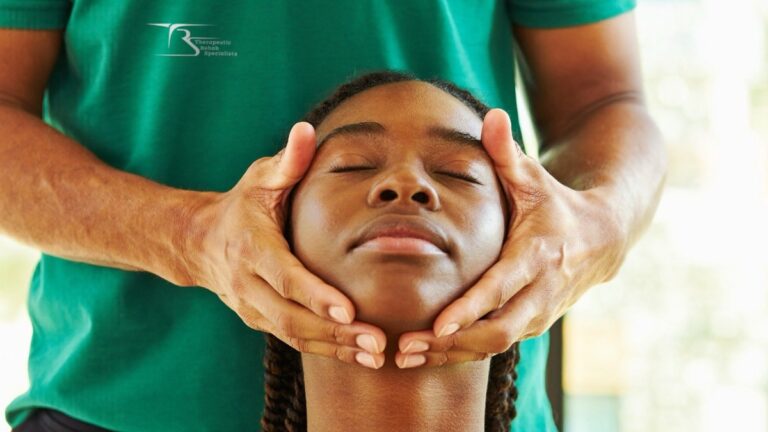

When It’s Time to Seek Professional Concussion Treatment in Brandon and Lakeland, FL
Most people assume that a concussion will heal on its own with enough rest and time, and for many that is exactly what happens within a few weeks, but a significant number of patients continue experiencing symptoms long after the initial injury.
If you’ve suffered a concussion from a sports injury, car accident, workplace incident, or fall, it’s important to recognize when your recovery isn’t progressing as expected, because ignoring persistent concussion symptoms can lead to prolonged discomfort, difficulty returning to work or school, and a real impact on your quality of life.
At Therapeutic Rehab Specialists, we help patients throughout Brandon and Lakeland, FL recover from concussions through personalized rehabilitation programs designed to address the underlying causes of lingering symptoms. So how do you know if your concussion isn’t healing properly? Here are five warning signs to watch for.
What Is a Concussion?
A concussion is a mild traumatic brain injury (mTBI) caused by a sudden impact, blow, or jolt to the head or body that causes the brain to move rapidly inside the skull. Concussions can occur from:
- Motor vehicle accidents
- Sports injuries
- Falls
- Workplace accidents
- Recreational activities
Symptoms may appear immediately, but some people don’t notice problems until hours or even days after the injury. Common concussion symptoms include:
- Headaches
- Dizziness
- Brain fog
- Fatigue
- Sensitivity to light
- Balance problems
- Difficulty concentrating
- Memory issues
Most people improve within several weeks. When symptoms hang on past that window, it usually means something specific is still driving them, and that something can almost always be identified and treated.
Sign #1: Your Headaches Are Not Improving
Headaches are one of the most common symptoms following a concussion, and while some headache discomfort is expected during recovery, ongoing headaches that continue for weeks or months should not be ignored. Persistent headaches may be related to:
- Cervical spine dysfunction
- Muscle tension
- Vestibular issues
- Visual disturbances
- Ongoing neurological irritation
Many patients mistakenly assume they simply need more time to heal, but in our experience a large share of stubborn post-concussion headaches are cervicogenic (driven by the joints and muscles of the neck rather than the brain itself), and these respond well to targeted rehabilitation. If headaches continue interfering with work, sleep, or daily activities, it’s time to seek professional evaluation.
Sign #2: You Still Feel Dizzy or Off Balance
Dizziness is another common complaint after a concussion. You may notice:
- Feeling unsteady when walking
- Vertigo or spinning sensations
- Motion sensitivity
- Difficulty in busy environments
- Balance problems when changing positions
These symptoms often indicate dysfunction within the vestibular system, the network of inner ear organs and brain pathways that controls balance and spatial awareness. The good news is that vestibular rehabilitation therapy is highly effective at retraining this system, and many patients see significant improvement once the underlying vestibular issue is identified and treated.
Sign #3: Brain Fog Is Affecting Your Daily Life
Many concussion patients describe a feeling of “brain fog.” This can include:
- Difficulty concentrating
- Forgetfulness
- Mental fatigue
- Slower thinking
- Trouble multitasking
- Reduced productivity
Some cognitive symptoms are expected early in recovery, but persistent brain fog may indicate that your nervous system has not fully recovered. Brain fog can impact:
- Work performance
- School performance
- Driving
- Communication
- Daily decision-making
If cognitive symptoms continue beyond the initial healing period, further evaluation is recommended.
Sign #4: You’re Struggling to Return to Normal Activities
One of the clearest signs that recovery is incomplete is difficulty returning to your normal routine. You may find that:
- Exercise triggers symptoms
- Work becomes exhausting
- School assignments feel overwhelming
- Household tasks require more effort
- Social situations worsen symptoms
Many patients attempt to push through these challenges, which can actually worsen symptoms and stretch out recovery. A structured rehabilitation program can safely guide your return to work, school, sports, exercise, and everyday activities, gradually increasing activity levels while keeping symptom flare-ups to a minimum.
Sign #5: Your Symptoms Keep Returning
Perhaps the most frustrating sign of incomplete recovery is when symptoms appear to improve but then return again and again. You may experience:
- Good days followed by bad days
- Headaches that come and go
- Intermittent dizziness
- Fluctuating energy levels
- Random symptom flare-ups
This pattern usually means the underlying issues have not been fully addressed. Common contributors include:
- Vestibular dysfunction
- Neck muscle or joint dysfunction
- Visual tracking problems
- Balance deficits
- Nervous system dysregulation
A comprehensive assessment can identify which of these factors is behind concussion symptoms that keep coming back.
Why Concussion Symptoms Sometimes Last Longer Than Expected
Recovery is rarely just about the brain itself. Following a concussion, multiple systems throughout the body may be affected at the same time, and any one of them can keep symptoms going even after the brain has largely healed.
Vestibular System
Responsible for balance and spatial awareness.
Visual System
Controls eye movement and visual tracking, including the reflexes that keep your vision steady while your head is moving.
Cervical Spine
Neck injuries frequently occur alongside concussions. This may include muscle spasms and/or joint dysfunction.
Autonomic Nervous System
Regulates heart rate, blood pressure, and energy levels.
If one or more of these systems remains impaired, concussion symptoms may persist even after the brain itself has recovered.
How Physical Therapy Helps Concussion Recovery
At Therapeutic Rehab Specialists, we take a comprehensive approach to concussion rehabilitation. Treatment may include:
Vestibular Rehabilitation
Exercises designed to improve:
- Balance
- Coordination
- Motion tolerance
- Dizziness symptoms
Cervical Spine Treatment
Joint mobilization, exercise, and dry needling to address neck dysfunction that may be contributing to:
- Headaches
- Dizziness
- Pain
- Mobility limitations
Balance Training
Improving stability and reducing fall risk.
Return-to-Activity Programs
Helping patients safely resume exercise, sports, work duties, and daily activities. Every treatment plan is customized based on the individual’s symptoms and goals.
When Should You Seek Concussion Treatment?
You should consider a professional evaluation of your concussion symptoms if:
- Symptoms last longer than two weeks
- Headaches continue worsening
- Dizziness interferes with daily activities
- Brain fog affects work or school
- Balance problems persist
- Symptoms repeatedly return
The earlier these issues are addressed, the better the chances for a successful recovery.
Frequently Asked Questions
How long should concussion symptoms last?
Most concussion symptoms resolve within several weeks, but some people experience them for months if the underlying issues are not addressed.
Can physical therapy help dizziness after a concussion?
Yes. Vestibular rehabilitation therapy is often highly effective for dizziness and balance problems.
Is it normal to still have headaches weeks after a concussion?
Persistent headaches may indicate that additional treatment is needed and should be evaluated by a healthcare professional.
Do I need a referral for concussion therapy?
Many insurance plans allow direct access to physical therapy services. Contact our office to discuss your options.
Schedule a Concussion Evaluation in Brandon or Lakeland, FL
For more than 27 years, Therapeutic Rehab Specialists has helped patients throughout Brandon and Lakeland recover from injuries and restore their quality of life. We understand that every concussion is different, so each plan starts with a comprehensive evaluation and is built around evidence-based treatment for the patient in front of us.
If you’re experiencing headaches, dizziness, brain fog, balance problems, or other lingering concussion symptoms, don’t wait for them to resolve on their own. The earlier the underlying causes are identified, the sooner you can get back to the activities you love.
Call 813-876-8771 for more information and check us out on the web at: https://www.therapeuticrehabspecialists.com/